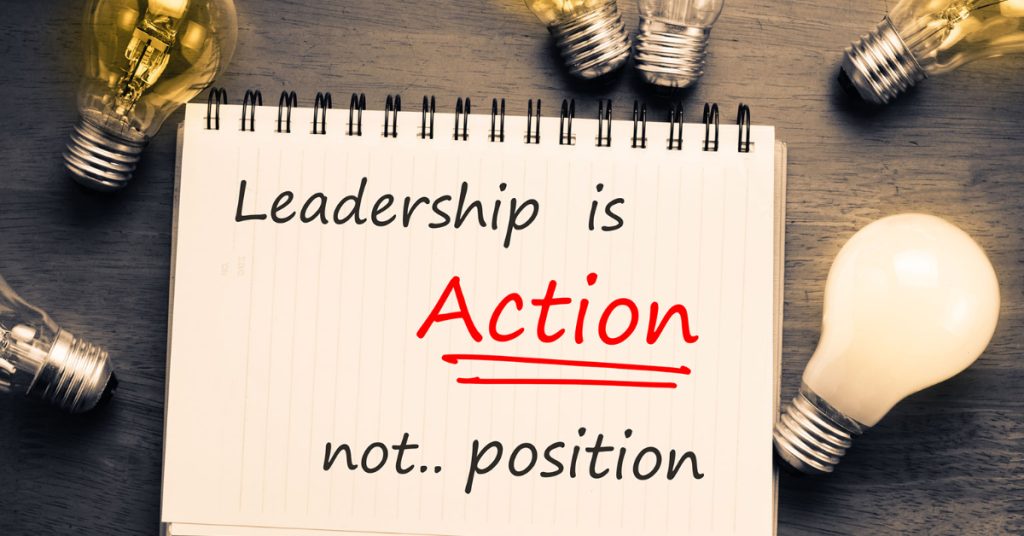

Leadership is often associated with authority, position and decision-making. However, having a managerial title does not automatically make someone a good leader.
A good leader is someone who can bring people together, create direction, build trust and encourage others to perform at their best. Leadership is not simply about telling people what to do. It is about influencing people positively and helping them understand where they are going and why their contribution matters.
In today’s workplace, effective leadership is becoming increasingly important. Organisations need leaders who can manage change, develop people and make thoughtful decisions while maintaining a strong sense of responsibility.
So, what makes a good leader?
1. A Good Leader Has a Clear Direction
People need to understand where they are going.
A good leader provides a clear sense of direction and helps the team understand what needs to be achieved. This does not mean having an answer to every question. It means having a clear vision and communicating priorities effectively.
When people understand the purpose behind their work, they are more likely to take ownership and contribute meaningfully.
Practical tip: When setting a goal, explain not only what needs to be achieved, but also why it matters.
2. A Good Leader Listens
Leadership is not a one-way conversation.
Effective leaders listen to their employees, colleagues and stakeholders. They pay attention to ideas, concerns and feedback, even when the information is difficult to hear.
Listening does not mean agreeing with everything. It means giving people an opportunity to be heard and considering their perspectives before making decisions.
A leader who listens can often identify problems before they become serious and discover ideas that may otherwise be overlooked.
Practical tip: During your next team discussion, spend less time speaking and deliberately ask others for their views.
3. A Good Leader Builds Trust
Trust is one of the foundations of effective leadership.
Employees are more likely to perform confidently when they believe their leader is honest, fair and consistent. Trust develops through everyday behaviour rather than through speeches or policies.
Keeping promises, communicating openly, accepting responsibility and treating people fairly all contribute to building trust.
Leaders should also understand that trust can take a long time to develop but can be lost very quickly.
Practical tip: If you make a commitment to your team, follow through whenever possible. If circumstances change, explain why.
4. A Good Leader Develops People
Strong leaders do not simply focus on what employees can do today. They also think about what those employees could achieve tomorrow.
Developing people may involve coaching, feedback, training, mentoring or providing opportunities to take on new responsibilities.
When leaders invest in the development of their teams, they create greater capability within the organisation and help employees build confidence in their own abilities.
A leader’s success should therefore not be measured only by personal achievements, but also by the growth of the people around them.
Practical tip: Identify one development opportunity for each member of your team and discuss it with them.
5. A Good Leader Takes Responsibility
Leadership comes with responsibility.
When things go well, good leaders recognise the contribution of their teams. When things go wrong, they do not immediately look for someone to blame.
Taking responsibility does not mean accepting blame for every problem. It means being willing to examine what happened, learn from mistakes and take appropriate action.
This creates a culture where people can learn from experience rather than hiding problems out of fear.
Practical tip: After a significant mistake, ask: What can we learn from this, and what can we do differently next time?
6. A Good Leader Adapts
The workplace rarely remains the same for long.
Technology changes, customer expectations evolve, markets shift and organisations introduce new priorities. Leaders who refuse to adapt can quickly become disconnected from the realities facing their teams.
Adaptable leaders remain open to new ideas and are willing to change their approach when circumstances require it.
At the same time, adaptability does not mean abandoning principles. A good leader can remain consistent in values while being flexible in methods.
Leadership Is About People
Leadership is ultimately about people.
A leader may have excellent technical knowledge and strong organisational skills, but these qualities alone are not enough. Leadership requires the ability to communicate, listen, build trust, develop others and take responsibility.
The best leaders understand that their role is not simply to achieve results through people, but to achieve results with people.
Final Thoughts
Good leadership is not defined by a job title. It is demonstrated through behaviour.
A good leader creates direction, listens to others, builds trust, develops people, accepts responsibility and adapts to change.
These qualities can be developed. Leadership is not reserved for a particular personality type or position. Anyone who is willing to learn, reflect and improve can become a more effective leader.
Kingston Business Academy believes that effective leadership begins with continuous professional development and a genuine commitment to helping people and organisations achieve better results.